How will OpenAI compete?
OpenAI has some big questions. It doesn’t have unique tech. It has a big user base, but with limited engagement and stickiness and no network effect. The incumbents have matched…
How far do LLMs give us a step change in how good a search and recommendation system can be? Do they let you build one without needing a vast user…
With every platform shift, we want to measure the growth but we’re confused about what to measure. That’s partly a problem of data and definitions, but it’s really a question…
Generative AI chatbots might be a life-changing transformation in the nature of computing, that can replace all software, but so far, most of its users only pick it up every…
Autonomous AI agents – once a sci-fi concept – are rapidly becoming a mainstream reality. These agents don’t just chat; they plan, reason, and act across digital environments to achieve…
Large Language Models (LLMs) have come a long way since their early days of mimicking autocomplete on steroids. But generating fluent text isn’t enough – true intelligence demands reasoning. That…
Software ate the world. Uber and Airbnb didn’t sell software - they disrupted and redefined markets. But what kind of disruption are we talking about ?
It matters that Apple’s new Siri will be late, and it matters more that Apple didn’t realise. Is it more than that?
OpenAI’s Deep Research is built for me, and I can’t use it. It’s another amazing demo, until it breaks. But it breaks in really interesting ways.
When starting their AI initiatives, many companies are trapped in silos and treat AI as a purely technical enterprise, sidelining domain experts or involving them too late. They end up…
The recent disruption caused by DeepSeek’s R1 model sent shockwaves through the AI community, demonstrating that Chinese AI advancements may have been underestimated. The model’s performance, rivaling some of the…
When I talk to corporate customers, there is often this idea that AI, while powerful, won’t give any company a lasting competitive edge. After all, over the past two years,…
Every week there’s a better AI model that gives better answers. But a lot of questions don’t have better answers, only ‘right’ answers, and these models can’t do that. So…
In this article, we delve into ten groundbreaking research papers that expand the frontiers of AI across diverse domains, including large language models, multimodal processing, video generation and editing, and…
Artificial intelligence is no longer a concept of the distant future – it’s here, evolving at a rapid pace and reshaping industries in real time. From healthcare to entertainment, AI’s…
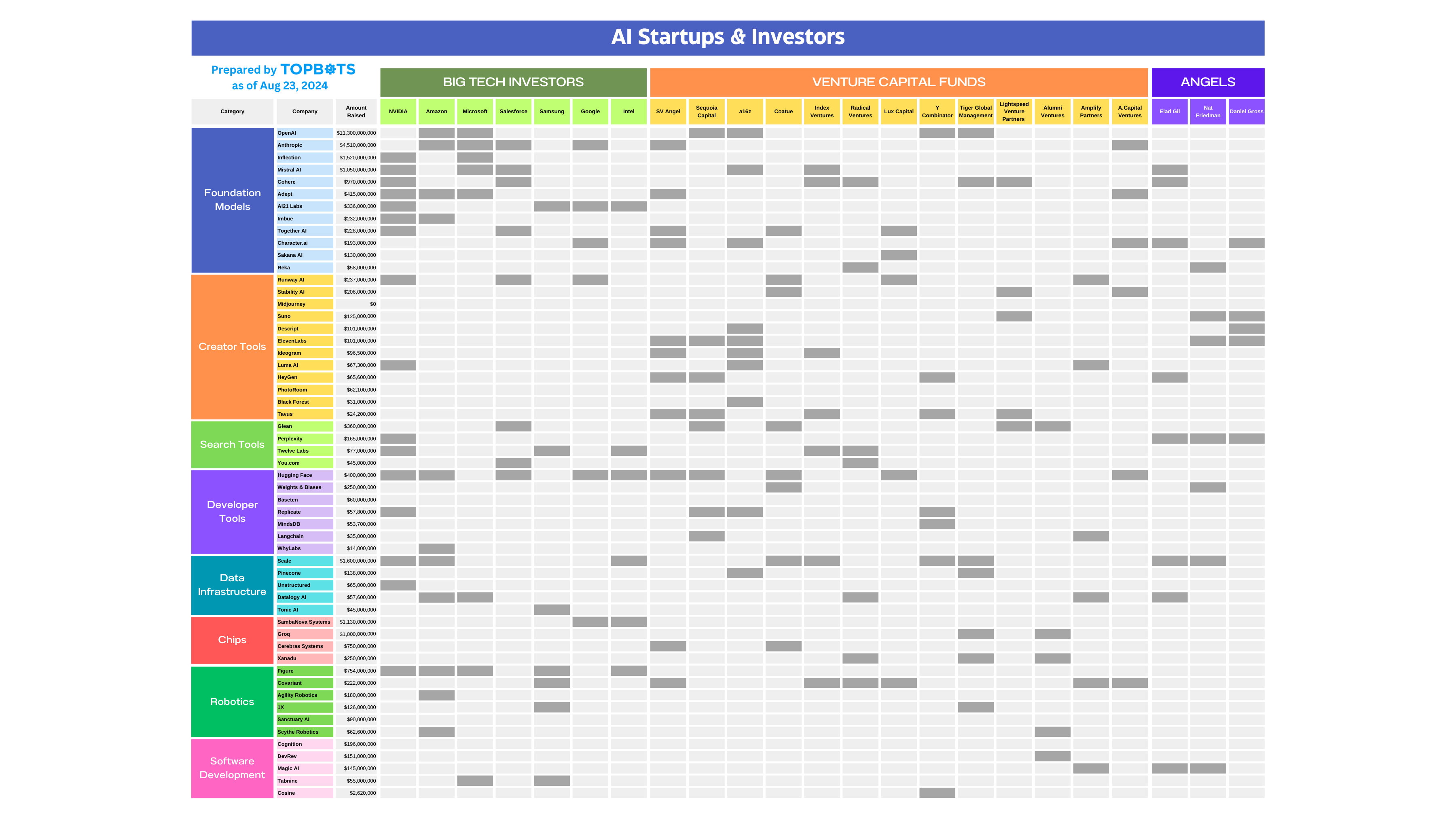
Artificial Intelligence (AI) is reshaping the tech landscape, attracting a diverse array of investors eager to capitalize on its potential. In this article, we explore the key players driving investments…
A quarter century after ‘don't be evil’ a judge has found that Google is abusing its monopoly in search. But no-one knows what happens next, and whether this ruling will…
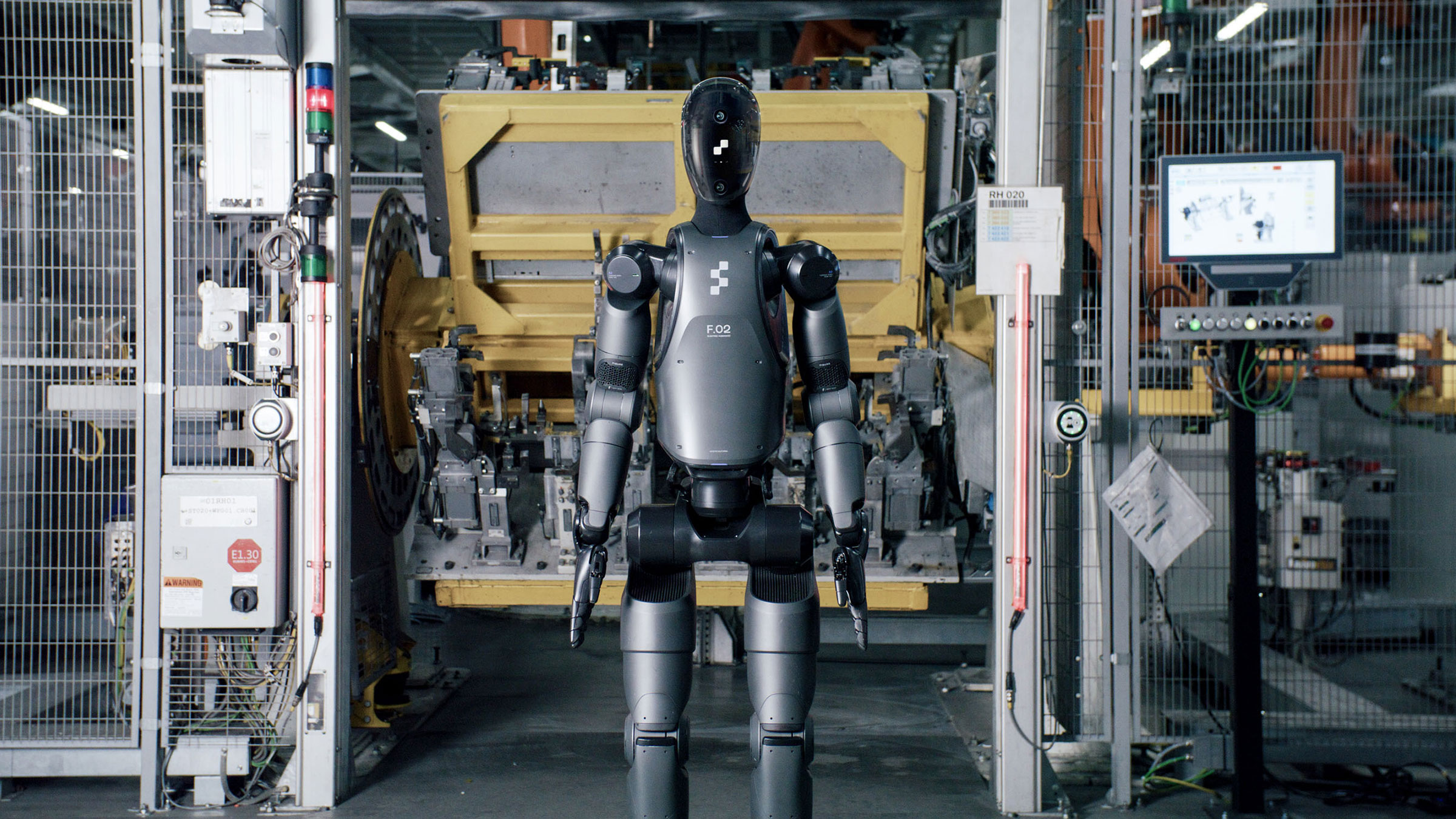
The robotics industry stands on the brink of a significant transformation, with many experts – including NVIDIA CEO Jensen Huang – suggesting that we might be approaching a "ChatGPT moment"…
Generative AI is a rapidly evolving field with a plethora of fascinating applications, from creating realistic images and videos to generating human-like text and beyond. As the technology advances, the…
Hundreds of millions of people have tried ChatGPT, but most of them haven’t been back. Every big company has done a pilot, but far fewer are in deployment. Some of…
Meta has spent at least $50bn on VR and AR so far, but we’re still in the VR winter: the devices aren’t good enough or cheap enough and the user…
Apple has showed a bunch of cool ideas for generative AI, but much more, it is pointing to most of the big questions and proposing a different answer - that…
How do we build mass-market products that change the world around a technology that gets things ‘wrong’? What does wrong mean, and how is that useful?
How do we think about a fundamentally unknown and unknowable risk, when the experts agree only that they have no idea?