The Developer Pipeline Crisis: AI's Hidden Tax on Talent
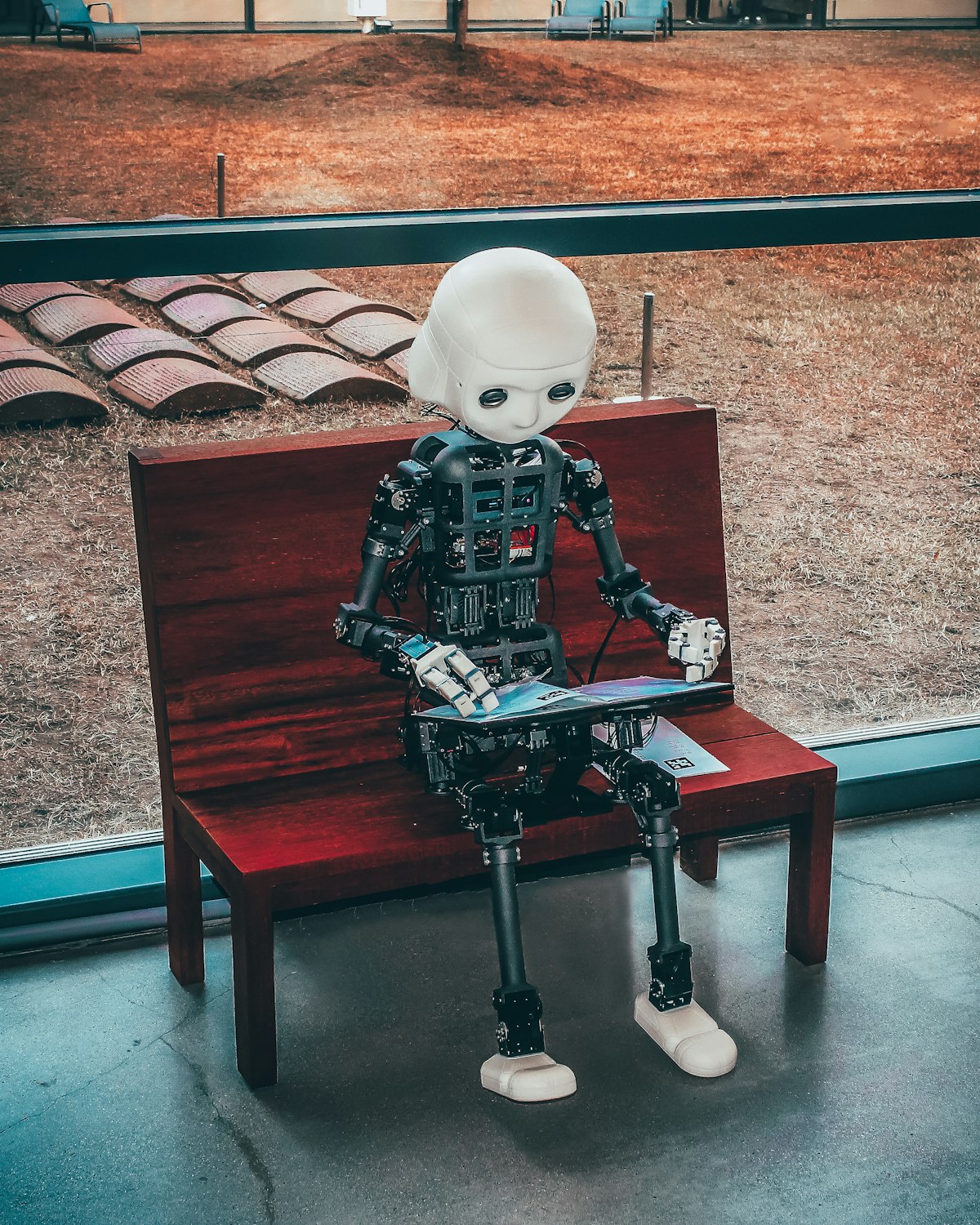
Microsoft's stark warning cuts through the celebratory noise surrounding agentic AI: we're witnessing an "AI drag" on junior developers that threatens the industry's future workforce. Russinovich and Hanselman's CACM paper raises a crucial question the venture-backed AI narrative refuses to answer—if AI agents handle increasingly complex tasks, where do the next generation of engineers develop foundational skills? This isn't theoretical concern; it's a structural problem masquerading as progress.
The irony cuts deep. As companies race toward superintelligence, they're simultaneously dismantling the human apprenticeship systems that historically built institutional knowledge and technical depth. The short-term productivity gains from agentic workflows mask a multi-year talent drought that could cripple innovation pipelines within five years.
Burnout and Exodus: The Cybersecurity Reckoning
Nearly half of cybersecurity professionals want to quit their jobs. That's not just attrition—it's a sector-wide distress signal. While the broader industry obsesses over AI capabilities, security specialists are drowning under threat volumes, tool fragmentation, and the psychological weight of defending against increasingly sophisticated attacks. The human element remains irreplaceable in security, yet it's simultaneously devastated by overwork and under-investment in meaningful solutions.
This exodus matters because security infrastructure can't be patched with chatbots or generative models alone. It requires experienced judgment, pattern recognition honed through years of incident response, and the kind of institutional knowledge that walks out the door when burned-out specialists leave the field. The AI industry's talent crisis is bidirectional—losing critical defenders while hollowing out next-generation offense-side engineers.
Meta and OpenAI's Ambition: Superintelligence, Space-Based Solar, and Principles
Meta's Overview Energy partnership for space-based solar power signals the immense computational appetite of superintelligence ambitions, while OpenAI reiterates Sam Altman's five guiding principles. Both moves reveal confidence bordering on inevitability—the infrastructure and philosophical frameworks are being laid for AGI development as if it's a foregone conclusion. The practical reality: powering advanced AI systems will require revolutionary energy infrastructure, and the philosophical guardrails feel cosmetic compared to the velocity of development.
Meta's Muse Spark, meanwhile, represents the consumer-facing layer of this ambition—superintelligence labs productizing generative capabilities while the deep work on artificial general intelligence proceeds largely behind closed doors. The separation between research claims and commercial reality grows wider each quarter.
The Mundane and the Existential: April 27 in Context
Amid the grand narratives of superintelligence and space-based solar arrays, today's digest includes reviews of AirTag alternatives, TV calibration guides, and earwax removal cameras—reminders that the AI revolution, for most users, remains incremental product improvement rather than transformative change. This disconnect between the existential stakes of AGI development and the modest practical gains in consumer AI tools illuminates a fundamental tension in the current moment.
The real story isn't the technology trajectories or the infrastructure investments. It's the human cost of racing toward superintelligence while extracting value from the knowledge workers and security professionals who built our current systems. Until the industry grapples with that imbalance, declarations of beneficial AGI principles will ring hollow.
Stories Covered
- Meta inks deal for solar power at night, beamed from space
- Microsoft's Russinovich and Hanselman Warn AI Is Hollowing Out the Junior Developer Pipeline
- Meta Muse Spark Review: Is It Worth the Hype?
- My new favorite AirTag alternative fits perfectly in my wallet - and is seriously durable
- Nearly half of cybersecurity pros want to quit - here's why
- I ran the 20-minute Apple Watch calibration test - and my data got more accurate
- Own a Hisense TV? I'd change these expert settings to noticeably improve the picture quality
- Our Principles
- To buy this Bay Area home, you’ll need Anthropic equity
- Bytes Speak All Languages: Cross-Script Name Retrieval via Contrastive Learning
- Framework Laptop 13 Pro vs. MacBook Neo: These Windows rivals are more similar than expected
- I Reduced My Pandas Runtime by 95% — Here’s What I Was Doing Wrong
- I bought a $40 earwax camera and keep finding reasons to use it