🌘
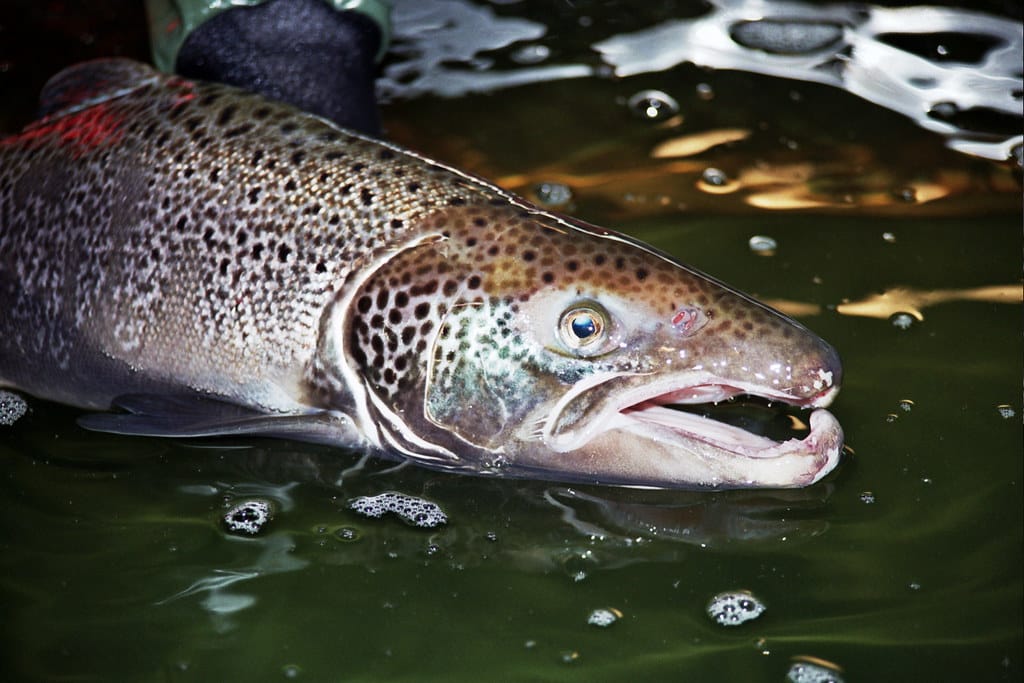
Salmon exposed to cocaine swim farther and behave differently than unexposed fish, according to the first study to observe the effects of cocaine on fish in the wild rather than a laboratory setting.
Many waterways around the world are contaminated with a host of legal and illegal substances that are consumed by humans and then excreted into sewage systems. As global demand for cocaine skyrockets, traces of the drug—including its main metabolite, benzoylecgonine—are flowing into lakes and rivers where they can be absorbed by wildlife, such as Atlantic salmon.
Previous research in laboratory conditions has already linked cocaine exposure to behavioral changes in aquatic species, but this connection has never been explored in fish in the wild. Now, scientists have demonstrated that cocaine and benzoylecgonine “can accumulate in the brains of exposed Atlantic salmon—an ecologically and economically important species of high conservation concern—and disrupt the movement and space use of these fish in the wild,” according to a study published on Monday in Current Biology.


