In an AI world dominated by hyperscalers and frontier labs, IBM on Tuesday launched a series of new platforms and updates that focus on its strength with large companies operating on mainframe-based and hybrid systems.
The releases include the BM Bob development package for mainframes, updates to the Watsonx Orchestrate platform for AI agents and the general availability of the IBM Sovereign Core software system. They arrived on the first day of the 115-year-old tech pioneer’s Think 2026 conference in Boston and re-emphasized the vendor’s sharp focus on the enterprise AI market, where it has traditionally maintained a strong foothold.
“We fundamentally believe that, yes, AI is about productivity,” Arvind Krishna, IBM’s CEO and chairman, said during a media briefing. “But you have to act where the data is, and over 70% of all the data is still sitting inside the enterprise in systems that are core and germane to them. And so, we have to couple what we do there with hybrid cloud.”
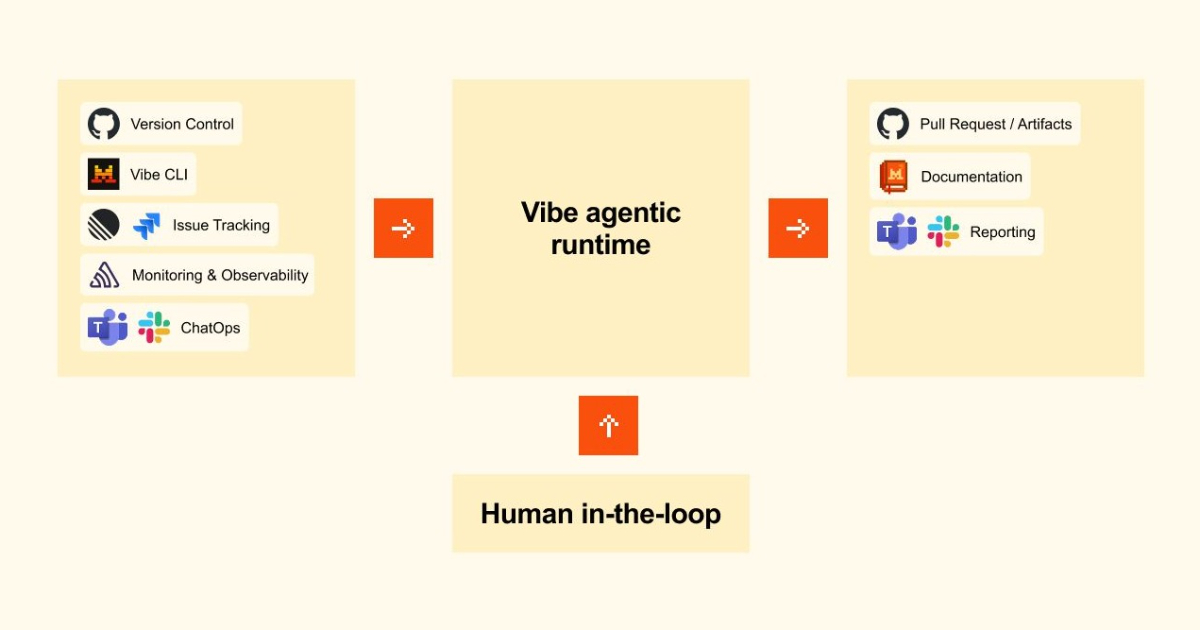
Meanwhile, Rob Thomas, senior vice president of software and chief commercial officer, declared in the briefing that Watsonx Orchestrate is the industry-leading agent and platform and that IBM will “continue to bring new capabilities for building your own agents.” He described IBM Bob, a suite of software development lifecycle capabilities using AI, as “the first that's designed for multi-model and cloud and on-premises deployment.”
The AI product developments come at a time when IBM is maintaining a strong standing with its business base, while its younger competitors forge ahead with rapid AI model advancements and their own large-scale platforms.
For example, Concert -- which focuses on AI observability -- aggregates signals from applications, infrastructure, network and cost into a unified view, competes against the recently released AWS DevOps Agent, noted Jim Mercer, an IDC analyst.
But “a key differentiator for Concert is that it can be paired with the IBM Sovereign Core and architected from the ground up for regulated, hybrid and sovereign environments where data cannot leave the premises or cross jurisdictions,” Mercer said.
Another development is an integration between Watsonx and Confluent’s streaming data platform, following IBM's completion of its $11 billion acquisition of Confluent in March.
That’s a significant move for IBM because AI agents don’t deliver significant value if they can’t access the right business data, according to Maribel Lopez, founder and analyst at Lopez Research.

“Right now, that’s a hard problem to fix,” she said. “Announcements like Watsonx.data plus Confluent will help ease part of this.”
She added, “Everyone talks about agents but how do you manage thousands of them across a hybrid environment? We're seeing multiple hyperscalers address this with orchestration platforms, but it's not enough to rely on orchestration alone.”
Orchestration tied to governance is important, as is the ability of a governance product to work across various cloud platforms, Lopez continued.
“IBM is where this combination shines,” she said.
IBM is also under pressure from one of its own partners, Anthropic, which recently released an agent that updates the COBOL code that dominates the IT environments of many of IBM’s longstanding customers, an area that is one of Watsonx’s specialties with the coding agent for Z, its family of mainframes.
“We all remember the announcement,” Thomas said during the briefing, referring to the Anthropic coding agent release in February, which triggered a 13% drop in IBM’s share price.
“COBOL is critical to running many of the key systems in the world today, but the value is not necessarily just the code itself. It's the business logic that sits inside of COBOL,” something that IBM addresses with a wider approach than just an agent, Thomas said.
Krishna framed the issue more as a matter of addressing the corporate challenge to update old code still critical to large companies’ software systems.
“The more there are tools out there that help people modernize a COBOL structure, the better for us,” he said. “The problem is that these are often very large pieces of code that have been accumulated over decades, and as a consequence, they are very hard to understand. If there are tools that can be created that understand that and can help [address] more pieces of it -- expose APIs, document them, do the testing -- that is actually great for us and our clients.”